Choosing the Experienced Bathroom Remodel Contractor for Quality Results
Elevate Your Home Beauty Through Authority Recommendations for Bathroom Remodeling
Bathroom remodeling can tremendously enhance a property's overall design quality. By focusing on layout optimization, material quality, and color cohesion, homeowners can establish a space that is equally functional and visually striking. Yet, realizing this transformation demands careful planning and analysis of different elements. As one starts to explore these potential solutions, understanding the vital steps involved will be necessary for success. What approaches will truly enhance your bathroom experience?
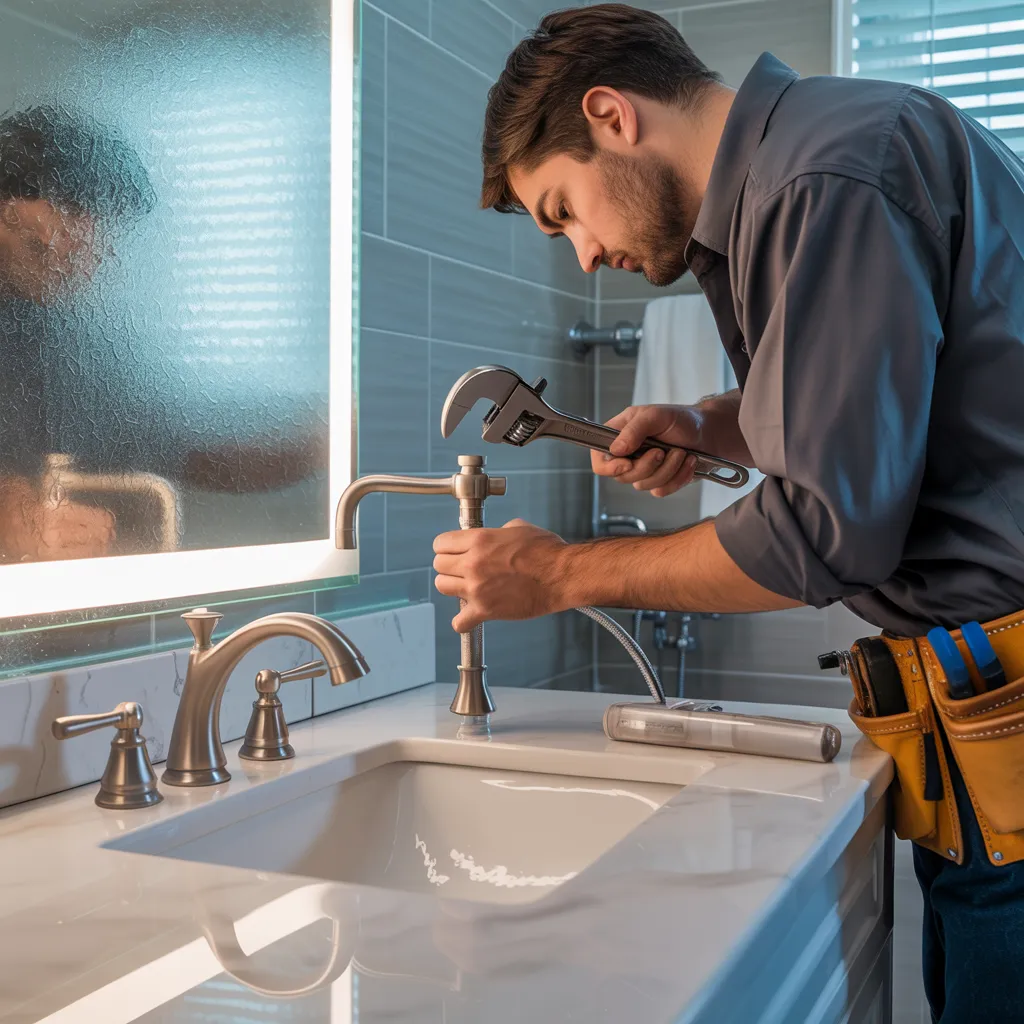
Reviewing Your Washroom's Current Layout
Where should you start when evaluating your bathroom's present configuration? This begins with a comprehensive examination of the current area. Observations should include the placement of major fixtures such as the sink, toilet, and shower or bathtub. Analyzing the flow and functionality is essential; one must determine if the layout allows for easy movement and access. Following that, examine the space's proportions and form, noting any restrictions or potential for upgrades. Additionally, lighting and ventilation play significant roles in the overall atmosphere. Recording observations and drawing the floor plan can assist in envisioning possible modifications. Eventually, this appraisal establishes the framework for later design selections, confirming that the project satisfies both practical necessities and design ambitions.
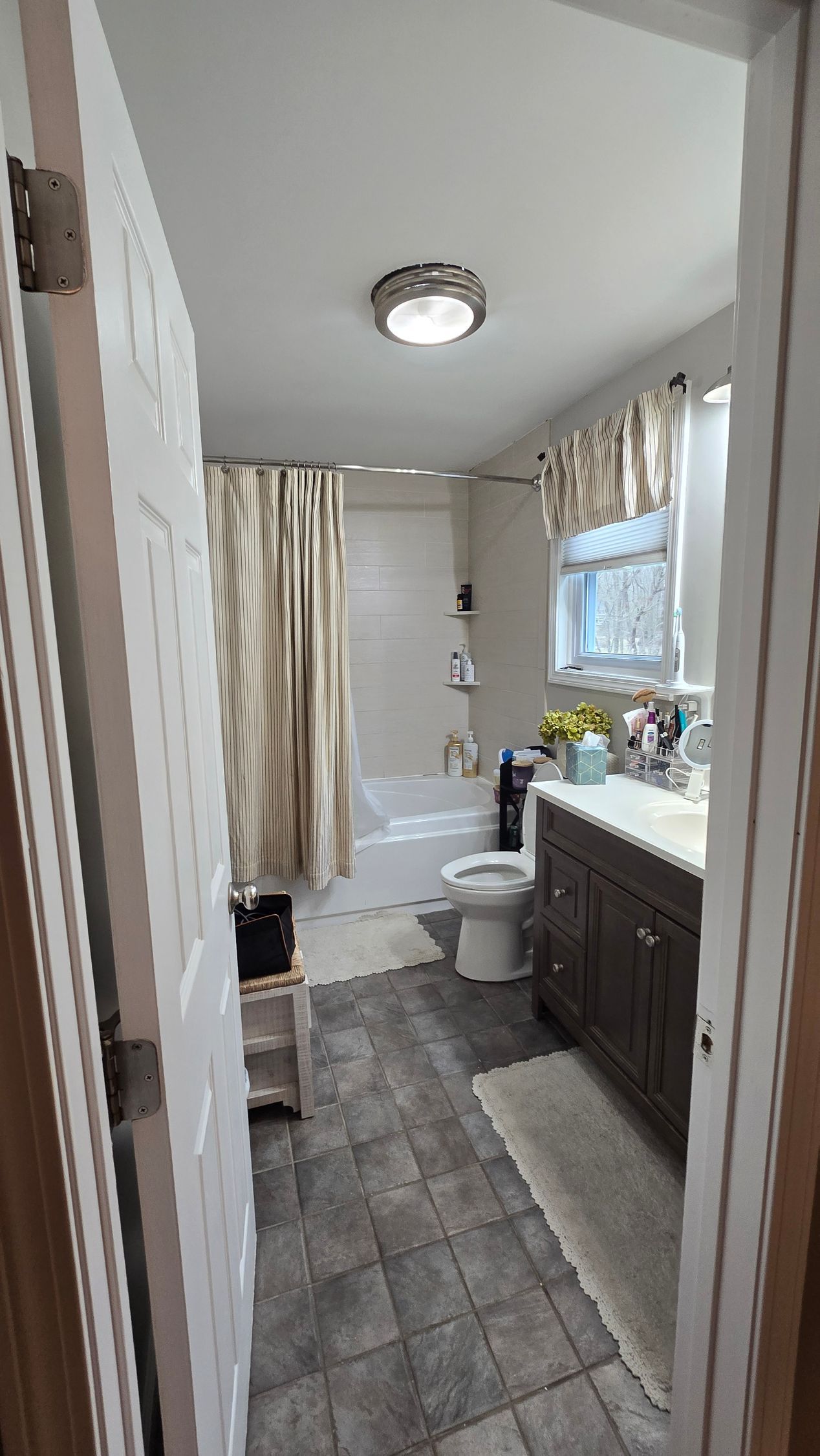
Creating a Reasonable Budget
Once you've evaluated the bathroom's existing layout, the next step involves setting a realistic budget for the renovation. This process necessitates careful consideration of various factors, including materials, labor costs, and the extent of the project. Homeowners should initiate by researching common costs for fixtures and finishes they want, as well as local contractor rates. It is essential to account Walk In Shower Installation CT for unexpected expenses, typically 10-20% of the total budget, to guarantee financial flexibility. Additionally, establishing a priority list can assist in allocating funds effectively, distinguishing between essential upgrades and aesthetic enhancements. By setting a clear budget, homeowners can make informed decisions that align with their renovation goals while avoiding overspending or financial strain.
Choosing the Ideal Color Combination
Picking the right color scheme is crucial for creating the desired atmosphere in a bathroom. Homeowners need to consider the impact of warm versus cool tones, as each can evoke distinct feelings and aesthetics. Additionally, the careful use of accent colors can elevate the overall design and add visual interest.
Cool versus Warm Tones
When contemplating a bathroom renovation, the selection between warm and cool tones can greatly impact the overall ambiance of the space. Warm tones, such as soft reds, oranges, and yellows, create an inviting and cozy environment, ideal for those seeking a comforting atmosphere. These hues often evoke feelings of warmth and relaxation, making them appropriate for personal retreats. In contrast, cool tones, including blues, greens, and purples, impart a sense of tranquility and spaciousness. They can make a bathroom feel fresh and modern, increasing the illusion of cleanliness. Ultimately, the selection of tones should correspond to the homeowner's personal style and the desired mood, ensuring that the bathroom becomes a harmonious and aesthetically pleasing sanctuary.
Why Accent Colors Matter
The choice of accent colors plays a significant role in defining the overall aesthetic of a bathroom, enhancing the primary tones chosen for the space. Picking the right accent colors can increase visual interest, create contrast, and establish a cohesive design. For example, pairing soft blues or greens with warm neutrals can evoke a relaxing atmosphere, while bold shades like deep navy or vibrant coral can infuse energy and personality. It is essential to take into account the size and lighting of the bathroom, as darker colors may make a small space feel more cramped, while lighter hues can enlarge the area. In the end, a well-thought-out color palette, including well-selected accent colors, can transform a bathroom into a stylish retreat.
Selecting Top-Quality Fixtures and Materials
Quality materials and fixtures play an essential role in determining the overall success of a bathroom renovation. Opting for superior choices secures resilience and long-term reliability, which proves especially critical in an area subjected to humidity. Premium materials, such as natural stone or ceramic tiles, can elevate the aesthetic appeal while resisting wear and tear. Additionally, elements including faucets, showerheads, and vanities ought to be picked for both utility and appearance, since they add significantly to the bathroom's complete aesthetic. Purchasing from established manufacturers typically guarantees superior functionality and guarantees. Additionally, it's recommended to consider environmentally conscious choices that reduce water and energy consumption. In the end, the careful selection of materials and fixtures can transform a bathroom into a luxurious, functional oasis.
Maximizing Space Through Clever Design
Making the most of space in a bathroom needs careful consideration of layout and fixture selection. Effective layout strategies can create a more open feel, while multi-functional fixtures boost utility without sacrificing style. By focusing on these elements, homeowners can transform even the smallest bathrooms into functional and attractive spaces.
Smart Design Strategies
When contemplating a bathroom renovation, strategic layout strategies play a crucial role in enhancing both functionality and aesthetics. A well-planned layout can optimize space, making even small bathrooms look more open and inviting. It is important to carefully consider the placement of essential fixtures such as sinks, toilets, and showers, making sure they are easily accessible without hindering movement. Integrating vertical storage solutions can further help optimize floor space while maintaining a clean, organized look. Furthermore, utilizing design elements like floating vanities and glass enclosures can create an illusion of increased space. By thoroughly assessing the flow of the room and considering the user experience, homeowners can create a well-proportioned and effective bathroom layout that fulfills their needs.
Multi-Purpose Fittings
Even though space is frequently at a premium in bathrooms, incorporating multi-functional fixtures can considerably improve both practicality and aesthetics. These modern designs merge various functionalities into a single unit, effectively maximizing space while supplying essential features. For instance, vanities with integrated sinks and storage compartments remove the need for separate cabinets, streamlining the overall design. Moreover, shower-tub combos provide for diverse bathing options without requiring excessive floor space. Collapsible or wall-mounted accessories, such as shelves and mirrors, can be concealed when not in use, further maximizing the area. By opting for multi-functional fixtures, homeowners can develop a more practical and visually appealing bathroom, in the end upgrading their overall renovation experience.
Integrating Contemporary Technology
How does cutting-edge technology transform the modern bathroom? Incorporating advanced features can transform an ordinary space into a luxurious retreat. Digital shower systems with electronic interfaces enable individuals to personalize water heat and flow, whereas hands-free fixtures improve practicality and sanitation. Atmospheric lighting features, including multi-color LED options, can generate a calming ambiance suited to specific preferences. Additionally, heated floors and towel racks add comfort during colder months. Sophisticated toilet systems with incorporated bidet features encourage sanitation and eco-friendliness. Furthermore, voice-activated assistants can control various bathroom functions, stream music, or set reminders. Through incorporating these forward-thinking solutions, homeowners can develop a more productive, satisfying, and beautiful bathroom atmosphere, representing today's residential standards.
Incorporating Personal Elements and Embellishments
Often, homeowners overlook the value of personal touches and accessories in bathroom design. These elements substantially elevate the overall aesthetic and make the space feel welcoming. Simple additions, such as decorative towels, artwork, or a fashionable shower curtain, can infuse personality into the bathroom. Picking accessories that reflect distinctive style—whether through color, texture, or theme—can convert a standard bathroom into a personalized haven.
Greenery and candles act as ideal accents, bringing natural beauty and calming scents. Furthermore, creative storage solutions including classic baskets or stylish shelves can unite practicality with style. By carefully integrating these personal touches, homeowners can create a bathroom that serves its function while connecting with their personal aesthetic and living habits.
Questions & Answers
How Long Does a Typical Bathroom Renovation Take?
A standard bathroom renovation usually takes between 3 to 6 weeks, based on the intricacy of the project, the availability of materials, and the effectiveness of the contractors engaged in the renovation project.
Can I Do My Bathroom Renovation by Myself?
Indeed, it is possible to remodel a bathroom independently; nevertheless, it necessitates thorough planning, expertise of plumbing and electrical systems, and dedication to detail. DIY renovations can save costs but may also introduce unexpected challenges.
What Permits Are Necessary for Renovating a Bathroom?
Typically, homeowners need building permits, electrical permits, and plumbing permits for a bathroom renovation. Requirements differ by location, so it's prudent to consult local authorities to guarantee compliance with all mandatory codes and requirements.
How Do I Confirm My Renovation Will Increase Property Value?
To make certain a renovation increases home value, it's important to focus on high-quality materials, up-to-date fixtures, and effective layouts. Furthermore, following local design trends and maintaining functionality are essential for drawing in future buyers.
Which Common Mistakes Should You Avoid During Renovations?
Frequent pitfalls during renovations include undervaluing budgets, overlooking required permits, neglecting usability, disregarding schedules, and failing to hire qualified professionals. Close attention to specifics and adequate preparation can avoid costly setbacks and secure a smoother renovation process.